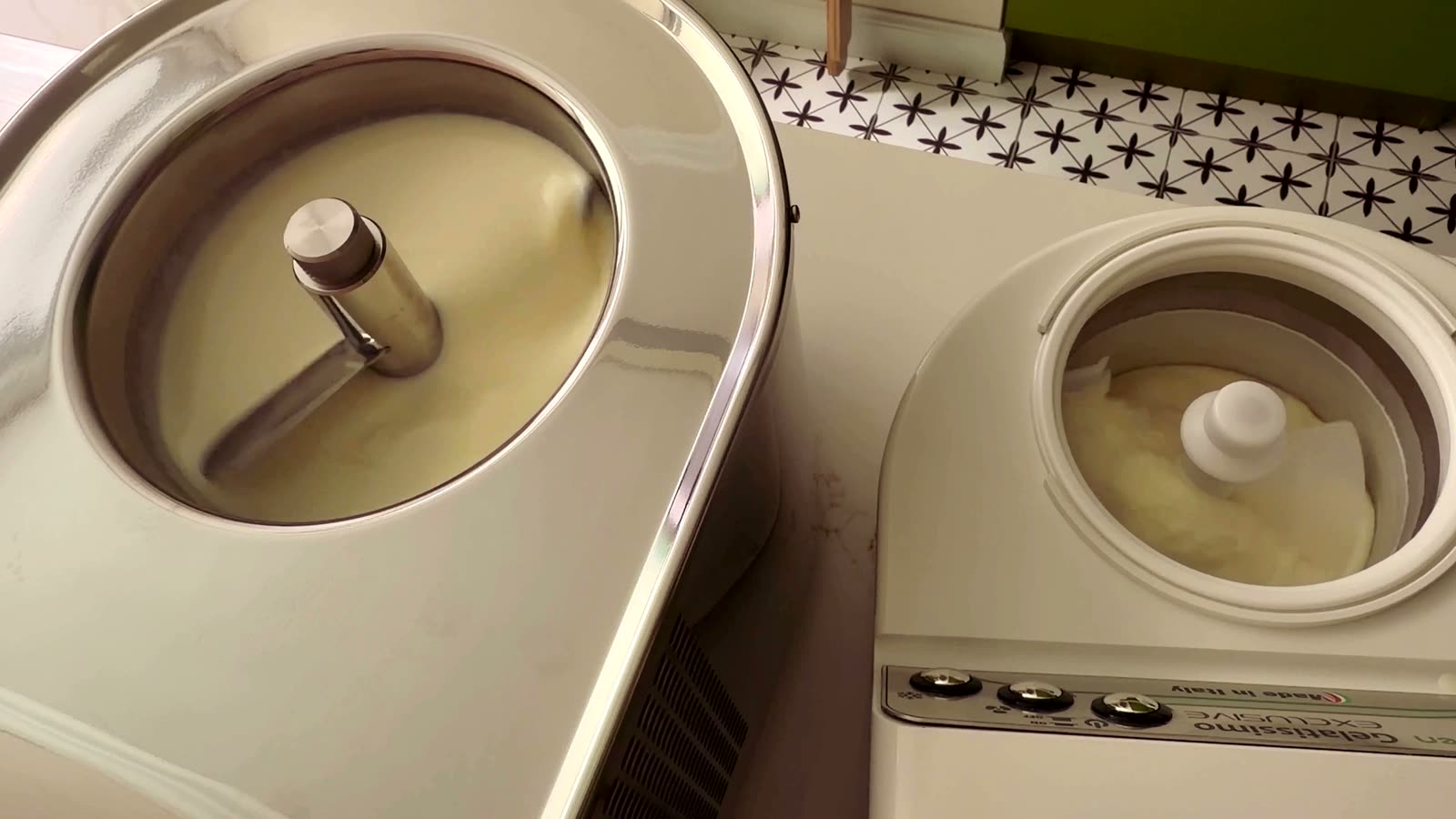
The best first gelato machine depends on how much the texture matters to you. If you want to try gelato a few times, a freezer-bowl machine is enough. If you'll churn every week, get a compressor machine. And if you want truly decadent gelato, light and creamy and soft to scoop, buy the best compressor machine you can: that's where the machine makes the difference.
I tested that. I split one fior di latte base between two compressor machines, a Nemox Gelatissimo and a Musso Lussino, and churned them at the same time. Both made good gelato from a balanced recipe. The Musso's was clearly better: fuller, airier, creamier, and easier to scoop the next day. For a beginner, the Nemox is fine. If you're after the best texture, you won't want to compromise.
The Three Kinds of Home Gelato Machine
Every home machine does the same job: it freezes the base while stirring it, so the ice crystals stay small, and it beats in some air. That air is called overrun: how much the volume grows as it churns. A liter of base that comes out as 1.3 liters of gelato has 30% overrun. Gelato is churned with relatively little air, while ice cream ranges from about 20% in dense premium tubs to 100% in light, cheaper ones. Overrun is the one part of the texture the machine controls more than the recipe, and it's where my two machines differed most. (Fat is the recipe's side of it: Gelato vs Ice Cream keeps the machine the same and changes only the dairy.)
What separates the three kinds is where the cold comes from.
Freezer-bowl machines
The bowl has a cooling liquid sealed inside its walls. You freeze the bowl ahead of time, and it supplies all the cold for one batch. Nemox, for example, tells owners of its non-compressor machines to put the bowl in the freezer for 8 to 24 hours; our guides say a full day at −18 °C, because a bowl that isn't frozen through leaves the gelato soupy. The Cuisinart ICE-21 is a common example.
- Good for: trying gelato without spending much, small kitchens.
- The catch: one batch per frozen bowl, and you have to plan a day ahead. The bowl also needs a free spot in your freezer.
Compressor machines
These have their own refrigeration, like a tiny freezer built around the bowl. Nemox's compressor models need no bowl pre-cooling: switch on, pour, churn. When the batch is done, you can wash the bowl and churn the next one. Both machines in my test are this type, the Musso Lussino 4080 and the Nemox Gelatissimo Exclusive i-Green, as is the Cuisinart ICE-100.
- Good for: anyone who makes gelato often, cares about texture, wants more than one flavor at a time, or decides to churn on short notice.
- The catch: they cost more, and they're bigger and heavier, so they usually live on the counter.
Freeze-then-spin machines (Ninja CREAMi)
The Ninja CREAMi doesn't churn. You freeze the base solid in its pint container, which Ninja says takes 24 hours, then a blade shaves the frozen block into a creamy texture. It's a different method with its own habits, and a frozen-solid base behaves differently from one that's churned. If you have one, the note for Creami owners in our sorbet guide explains what the machine fixes and what it can't.
Same Mix, Two Machines: What I Measured
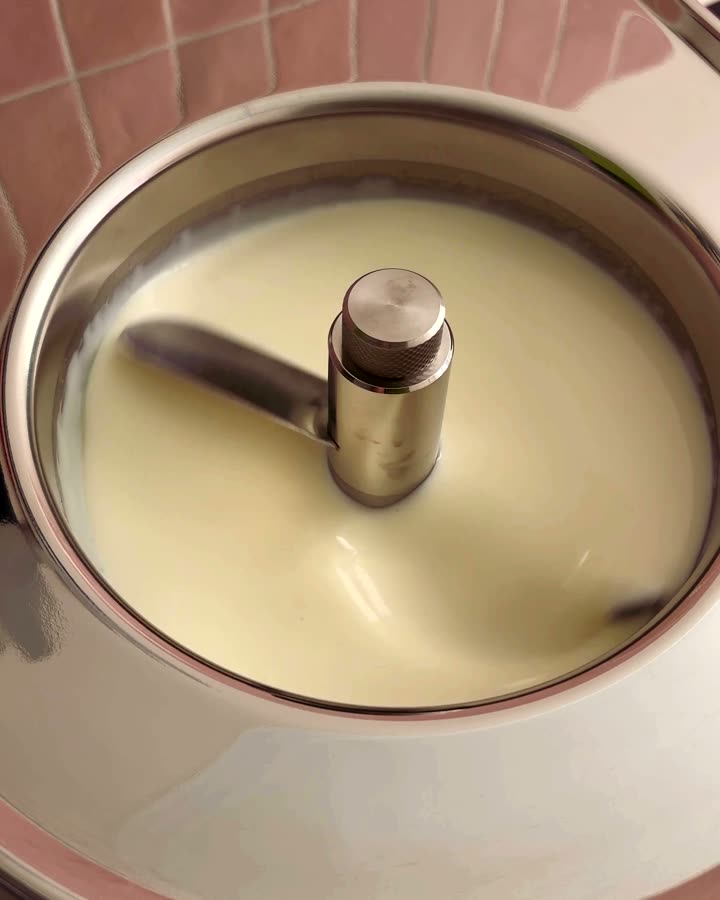
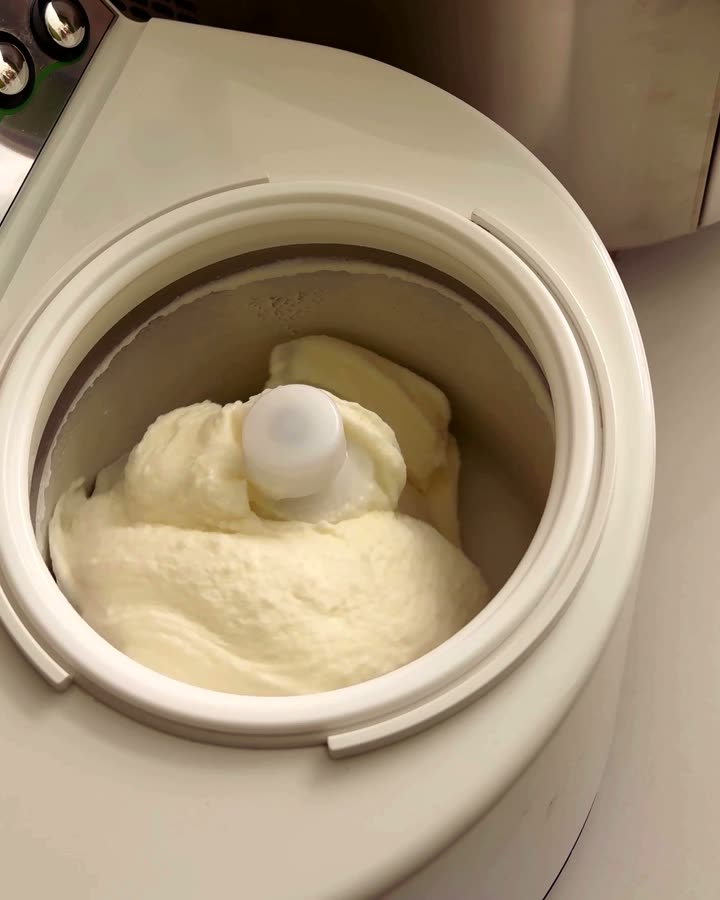
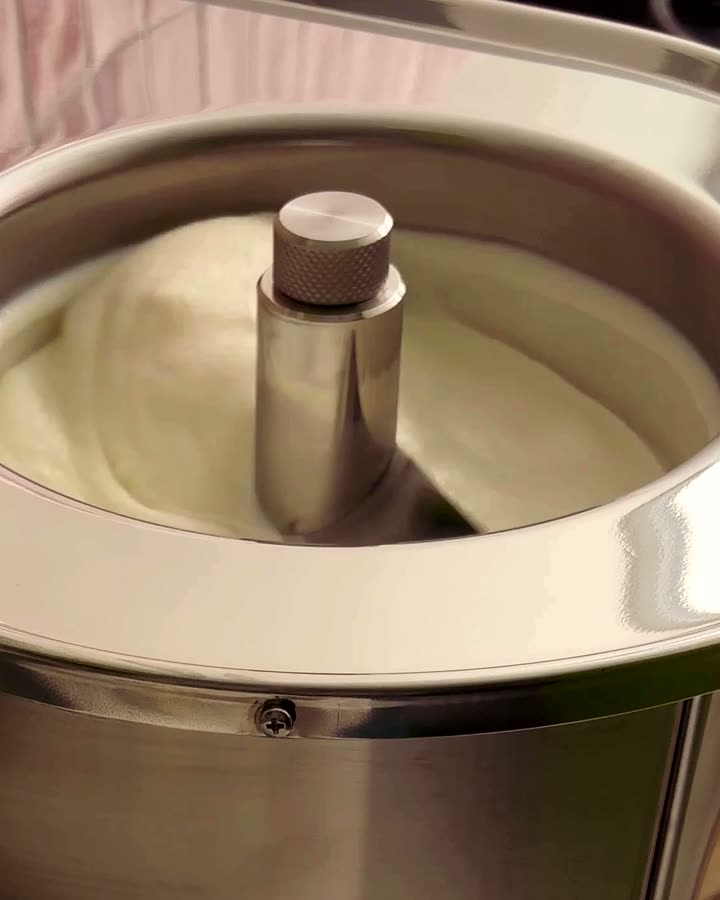
I made gelato on a Nemox Gelatissimo Exclusive i-Green for two years before buying a Musso Lussino 4080 (sold in Europe as the Musso Mini). For this test, I made one double batch of fior di latte, split it into two 700 g portions, and churned them side by side. Since then I've only used the Musso.
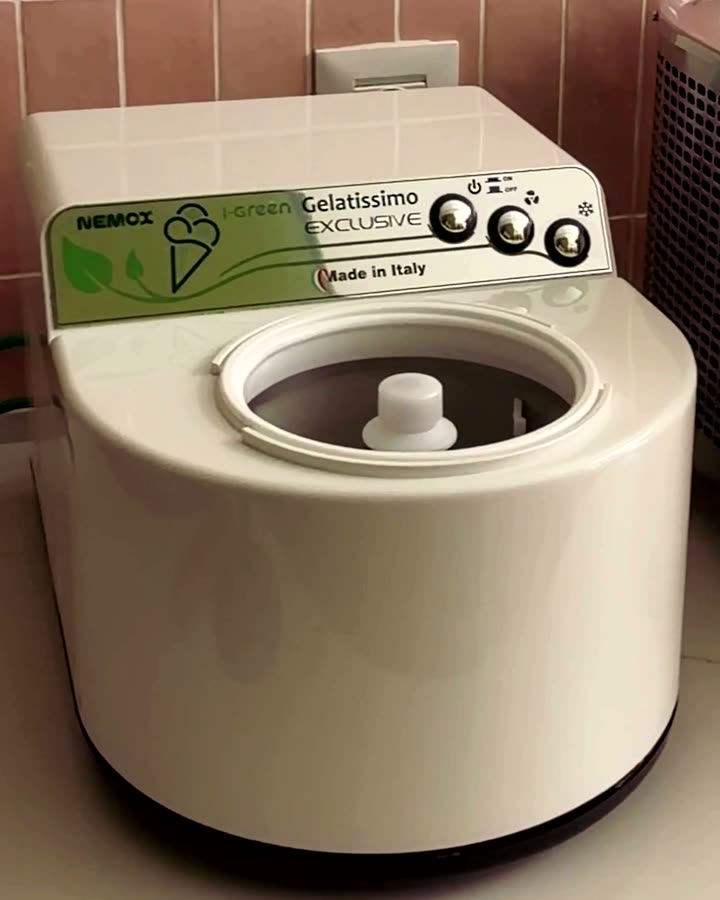
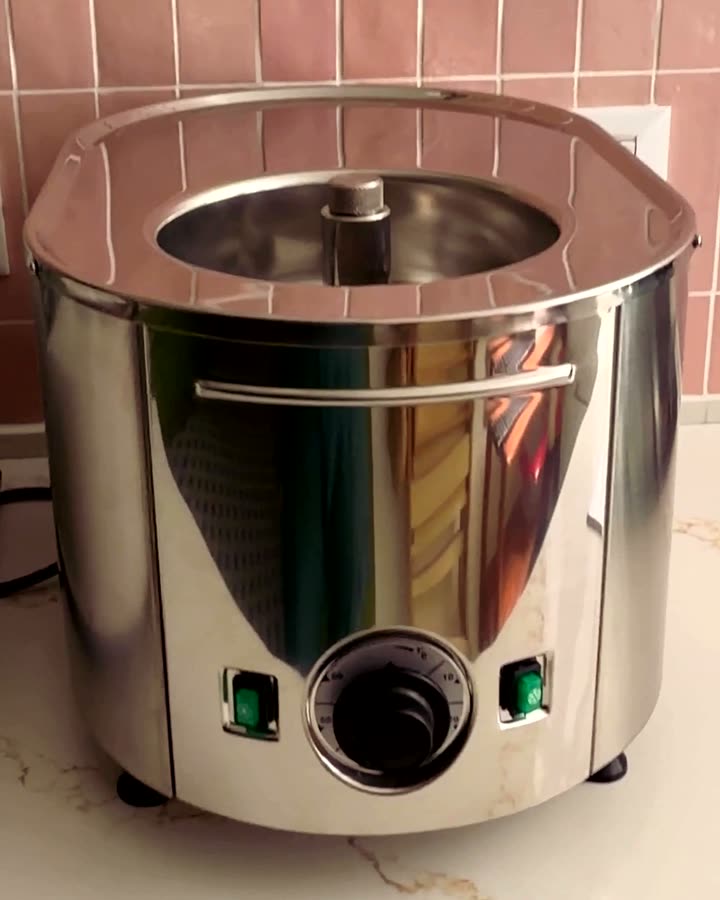
| Nemox | Musso | |
|---|---|---|
| Mix | 700 g fior di latte | 700 g, same base |
| Before pouring | About 10 min of pre-cooling | Started right away |
| At 5 minutes | Lumps forming in the mix | Thickening, fuller and fluffier |
| Churn time | 19 min | 28 min |
| When I stopped | −7.5 °C, too stiff to keep turning | −7.5 °C |
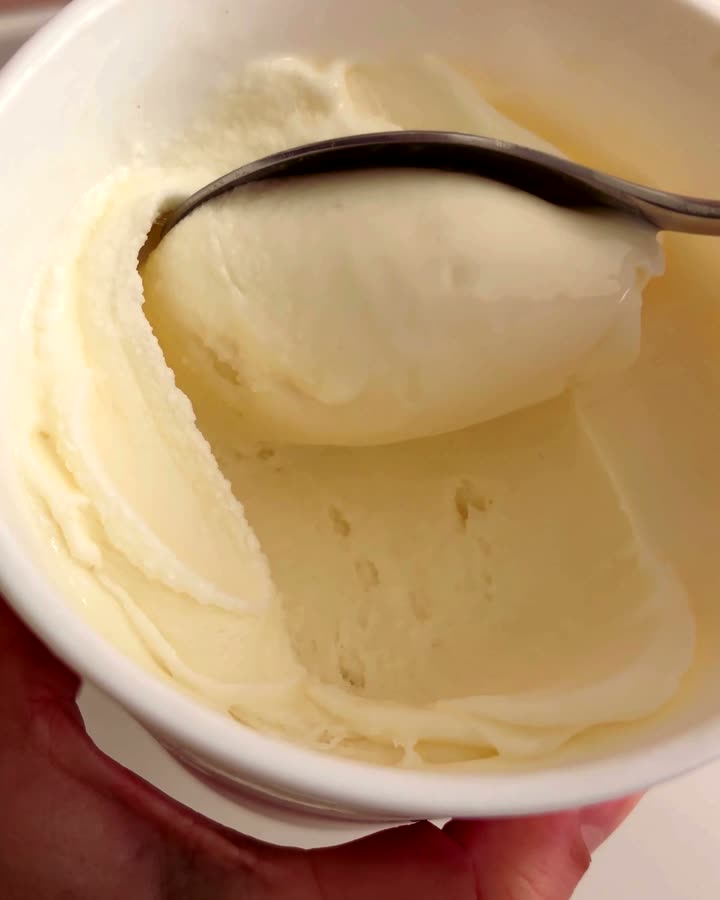
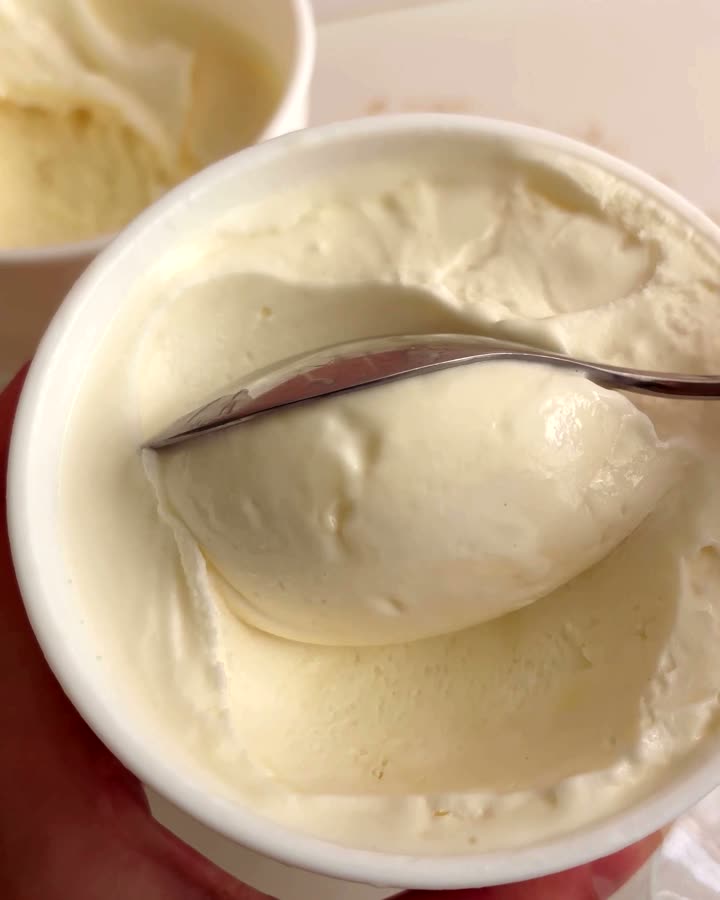
| In the tub | Denser; about 60 g stayed in the bowl | Much fuller and airier |
| Next day, same freezer | Not icy, but harder to scoop | Creamy, scooped easily after 10 min out |
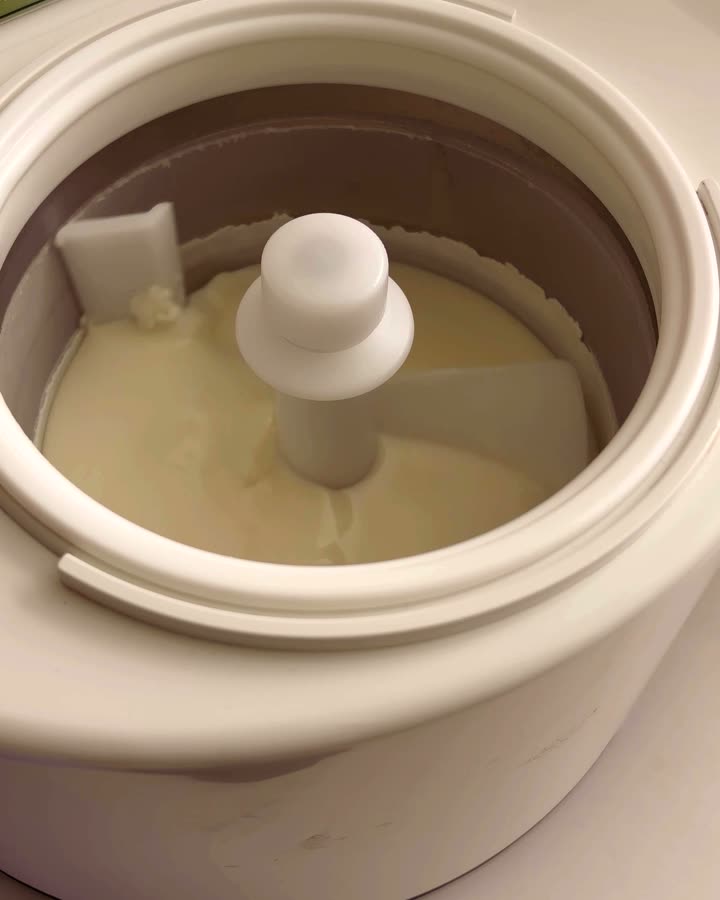
What I saw:
- The Musso builds texture; the Nemox freezes fast. Five minutes in, the Nemox mix was already turning lumpy, while the Musso's was getting thicker, fuller and fluffier. The Musso formed lumps much later, and they stayed creamy.
- Speed was about even. The Nemox finished 9 minutes sooner, but counting its 10 minutes of pre-cooling, the total time was about the same. When you compare machines, compare the whole time from switching on.
- The Nemox hit its limit. I stopped both at −7.5 °C. The Musso could probably have kept going; the Nemox had stopped, because the gelato had become too stiff for it to turn.
- The big difference was overrun. The Musso's paddle turns visibly faster, and from the same 700 g its tub came out much fuller. More air gives a lighter, creamier gelato that's softer to scoop. That's exactly what showed up the next day.
- Neither was icy. The Nemox batch was denser and needed more of a push, but it was smooth. A balanced recipe gave good gelato in both; the Musso made it decadent.
What the Machine Can't Fix
A machine controls how fast the base freezes and how much air goes in, its overrun. It doesn't control how much water is free to freeze, or how soft the sugars keep the gelato at freezer temperature. Those come from the recipe:
- Too few solids leave extra water to form ice, and the gelato is icy whatever it was churned in. See Why Is My Gelato Icy?
- Too little anti-freezing power (PAC) from the sugars, and it sets rock-hard in a home freezer. See What Is PAC in Gelato?
- Too much fat makes it heavy and coats the tongue, which dulls the flavor.
Most recipes online aren't balanced for a home freezer, which is why a new machine often gets blamed for an icy or hard first batch. Even the Musso can't save an unbalanced recipe. Check the recipe before you churn, and your first batch will tell you about the machine, not the recipe.
Open a balanced fior di latte in GelatoLatorHow to Choose Your First Machine
Answer these before you look at brands:
- How much does texture matter to you? If you want gelato that's light, creamy and soft to scoop, like a good gelateria's, the machine's overrun makes the difference, and it's worth paying for a better compressor machine. If good homemade gelato is enough, an affordable machine and a balanced recipe will get you there.
- How often will you make gelato? Once or twice a month, a freezer bowl does the job. Every week, the planning around a frozen bowl gets old, and a compressor pays off.
- Do you want more than one flavor in a day? Only a compressor machine (or several frozen bowls) lets you churn back to back.
- Where will it live? Freezer-bowl machines need freezer space for the bowl. Compressor machines need counter space, and they're heavy to move in and out of a cupboard.
- How much do you make at a time? Check how much the bowl takes and don't fill it to the brim: a base needs room to expand as it takes in air. Our icy gelato guide covers how full is too full.
- Can you get it all out? A removable bowl is easier to wash and to scrape clean. In my test, about 60 g of the Nemox batch stayed in the bowl.
- Compare total time, not churn time. Add any pre-cooling or bowl freezing to the number on the box.
Gelato Maker vs Ice Cream Maker
For home use, a "gelato maker" and an "ice cream maker" are the same kind of machine. Some have a gelato setting or a slower paddle that beats in less air, but any of them can make gelato. What makes it gelato is the recipe (more milk, less cream, balanced sugars) and serving it a little warmer, around −12 °C, as our step-by-step gelato guide explains. The machine decides the texture; the recipe decides whether it's gelato.
My Take: Start Where You Are, Buy for Texture
After a gelato workshop, I bought a home machine right away. It wasn't the fanciest one, and I made gelato on it for two years. It taught me that the recipe matters most: a balanced base made good gelato in it every time.
Then I upgraded, and the side-by-side showed me what I'd been missing. If you're just curious, an affordable machine and a balanced recipe will make gelato you're proud of. If you already know you love it and want decadent gelato, the texture comes from a machine like the Musso.
Frequently Asked Questions
Is a gelato maker different from an ice cream maker?
Not for home use. Home gelato makers and ice cream makers are the same kind of machine; some have a gelato setting or slower paddle that beats in less air. What makes gelato is the recipe (more milk, less cream, balanced sugars) and serving it a little warmer, around −12 °C.
Is a compressor gelato machine worth it for a beginner?
Yes, if you care about texture and want light, airy, creamy gelato, or you'll make it every week. A good compressor machine beats in more air, and there's no bowl to freeze ahead. If you only want to try gelato a few times, a freezer-bowl machine is enough to learn on.
Does an expensive machine make better gelato?
Yes. In my side-by-side test, the more expensive Musso made a fuller, airier, creamier gelato that scooped easily the next day, while the cheaper Nemox's was denser and harder. A balanced recipe made good gelato in both, but the texture was much better from the Musso.
How long does a home gelato machine take?
Usually 20 to 30 minutes of churning. In my test with 700 g of fior di latte, the Nemox Gelatissimo took 19 minutes after about 10 minutes of pre-cooling, and the Musso took 28 minutes with no pre-cooling.
Is the Ninja Creami good for gelato?
It makes gelato-style desserts by a different method: you freeze the base solid in its pint for 24 hours, then a blade shaves it smooth. It doesn't churn air in while freezing the way a gelato machine does. A balanced recipe still matters, because the machine can't fix too little sugar or too few solids.
What is overrun in gelato?
Overrun is how much the volume grows from the air beaten in while churning. A liter of base that becomes 1.3 liters of gelato has 30% overrun. Gelato is churned with relatively little air; ice cream ranges from about 20% in dense premium tubs to 100% in light, cheaper ones. The machine sets most of it, which is why two machines can make different gelato from the same mix.
Before Your First Batch
Whatever you buy, the first batch goes better with a recipe that's balanced before it goes in. How to Make Gelato at Home walks through every stage with temperatures and times, and the calculator checks any recipe you bring.
Check your recipe before you churn